
Planning your trip to Rio?

Few places in the world capture the imagination quite like Rio de Janeiro. Known as “A Cidade Maravilhosa” (The Marvelous City), Rio is a dazzling blend of natural beauty, vibrant culture, and infectious energy. Nestled between dramatic mountains and the sparkling Atlantic Ocean, it is a city where urban life and nature exist side by side in perfect harmony.
Rio is world-famous for its iconic landmarks – the Christ the Redeemer statue watching over the city, the Sugarloaf Mountain rising above Guanabara Bay, and the legendary Copacabana and Ipanema beaches that pulse with life from sunrise to sunset.
And then, of course, there are the beaches. From lively stretches where you feel the city’s heartbeat in every beach-soccer match and samba beat, to secluded coves that whisk you far from the crowds, Rio’s shoreline delivers unforgettable experiences for every mood and traveler.
1. Rio de Janeiro means “January River”
Rio de Janeiro, or January River, is a very poetic name for a city with more than 200 rivers running through it. But which river does it refer to? Well, the answer is: none of them.
It was in January 1502 that Portuguese explorer Gaspar de Lemos first arrived in Rio.
2. Most of Rio’s samba schools are located in favelas
There are more than 1,000 slums, or favelas, in Rio – and almost one fourth of Cariocas (locals) live in them. Rio’s modest residents have been living in favelas since the end of the 19th century, being the most affordable housing option. It was there, in the favelas, that former African slaves and their descendants first created the music style we now know as samba.
3. The statue of Christ the Redeemer
Rio doesn’t lack natural beauty for postcards, but its most acclaimed feature is not only man-made, but was also elected one of the New 7 Wonders of the World in 2007. Nevertheless, Brazilian engineer Heitor da Silva Costa and French-Polish sculptor Paul Landowski began building the statue in 1926. They completed the project in 1931. The statue stands 98 feet (30 meters) tall, with its horizontally outstretched arms spanning 92 feet (28 meters).
4. Rio has the world’s bluest sky
Clear skies, warm sand, a cold drink… Isn’t that what everyone wants for their holiday? Well, in Rio you will not only find that, but also the bluest sky in the whole wide world.
5. People from Brazil are among the quickest getting on and off buses
Buses are the most affordable way to get around Rio, and they will take visitors almost anywhere in the city. Riding a bus in Rio isn’t, however, as straight forward an experience as one might hope for. Bus drivers aren’t exactly cautious, trustworthy drivers, and they will often leave passengers behind if they are not quick enough to get on.
6. Rio is home to the biggest urban forest in the world
Rio is a big city, with more than 6 million inhabitants, but it can feel like a small town, especially when you find yourself in the middle of a forest, under the hard-hitting cascade of a waterfall. The reason for that is Rio is home to the largest urban forest in the world, Floresta da Tijuca.
7. Carioca means “white man’s house”
Carioca is what Rio’s locals are called. The word has its origins in the Tupi-Guarani language, used by the indigenous peoples who inhabited this blessed sliver of land long before any European knew it existed. Carioca.
8. Rio was once the new Capital of Portugal
To make a long story short. – Portugal ran away from France in 1807.
As a result, the royal family and over 15,000 people arrived in Rio de Janeiro in 1808. They brought their furniture, art, jewelry, books, files, and all the royal treasures with them. And so, the Portuguese crown founded the new capital of Portugal.
9. Sugarloaf Cable Car
Opened in 1912, the Sugarloaf Cable Car was only the third cableway to be built in the world.
10. Home to the largest Favela in Latin America
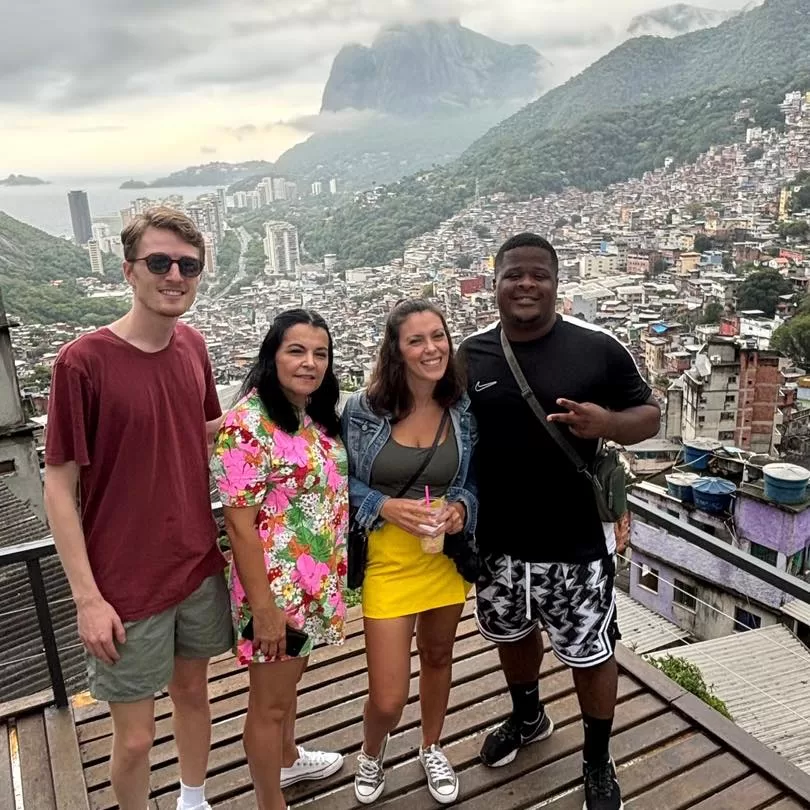
Visit the largest Favela in Latin America – Rocinha
Rocinha is the largest Favela in Brazil and home for more than 300.000 people.
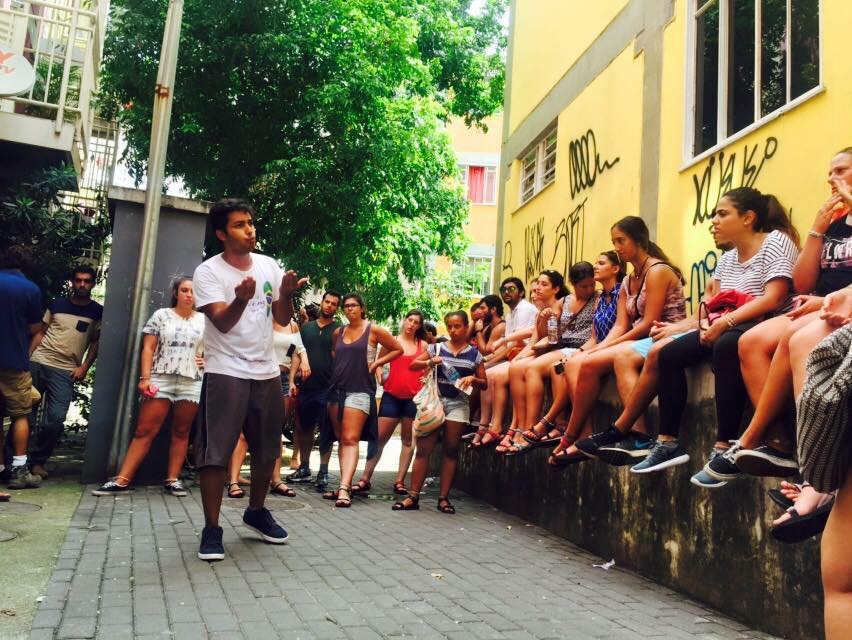


We fully understand that there are lots of concerns about safety in Rio and especially about Favelas in Rio. However, we do not visit any Favela in Rio and recommend you to only visit a favela with a local guide. The tour is provided in Rocinha that since 1997 has become a tourist attraction in Rio and this opportunity has employeed many locals. Furthermore, the tour is led by a local experienced guide who lives in Rocinha.
Maracana Stadium in Rio

Brazilians don’t remember it fondly, but 16 July 1950 was a historical day. Brazil was playing Uruguay in the final match of the 1950 World Cup. The stage was Maracanã, built especially for the occasion and, at the time, the biggest stadium in the world.
A total of 173,850 paid spectators – and an estimated 20,000 free loaders – were there to see what everyone thought was going to be Brazil’s first time receiving the World Cup
The iconic Botanical Garden of Rio
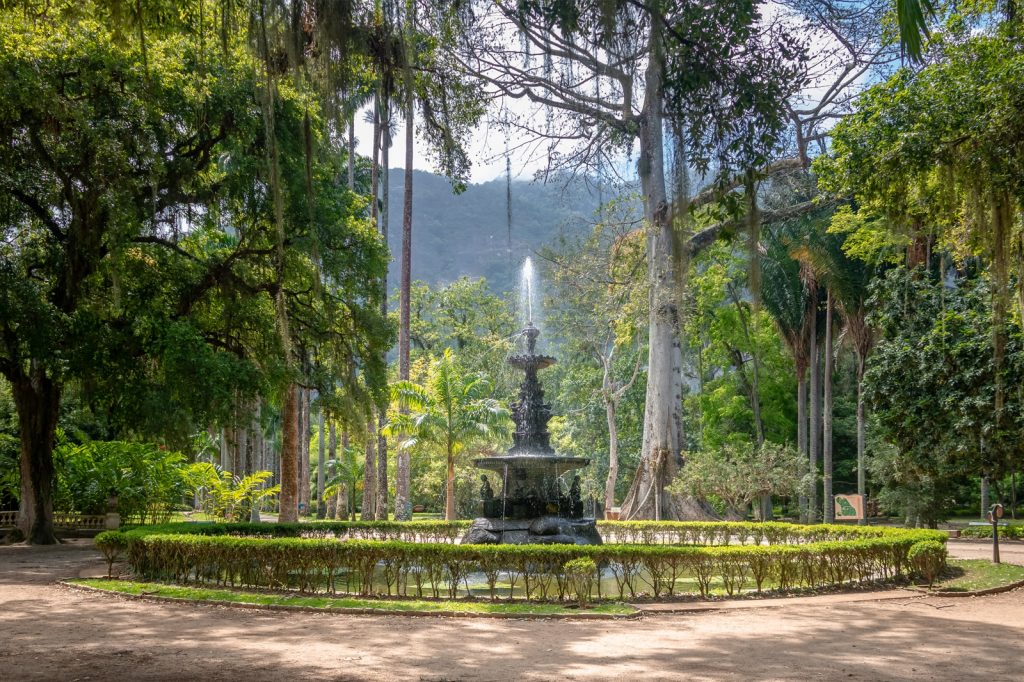
Rio’s Jardim Botanico, spanning 338 acres of lush gardens, is one of the city’s largest parks. Founded in 1808, there are over 6,500 plant species, as well as exotic animals such as monkeys, birds, and reptiles. More than 15,000 specimens of rare bromeliads are kept in 2 greenhouses and tree-beds at the arboretum, while the Japanese Garden houses 65 species of native plants and Japanese koi carp
The 10 Best Stunning Beaches in Rio de Janeiro
1. Copacabana
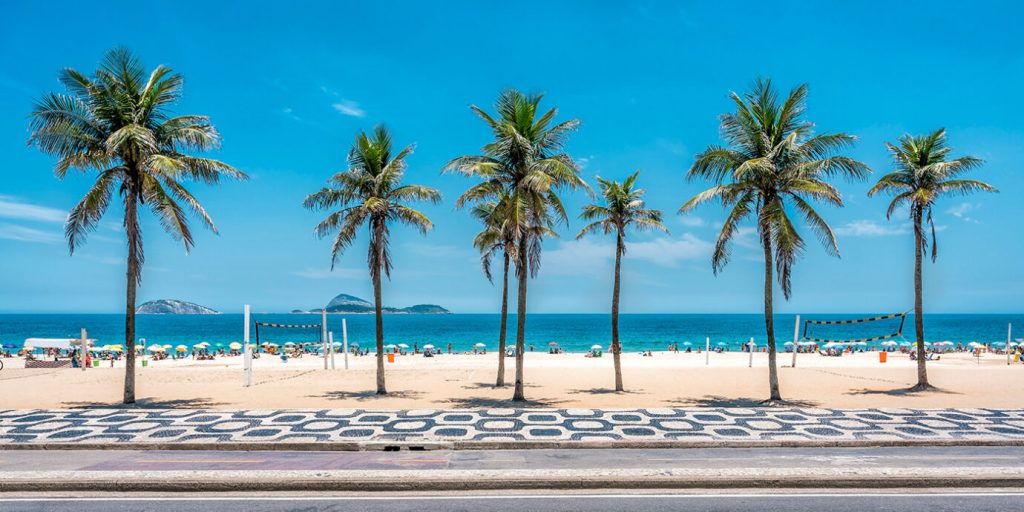
Copacabana easily ranks at the very top of the list of Rio de Janeiro’s most iconic beaches. Stretching along a golden crescent framed by the deep blue Atlantic, it is the place where most visitors gather to experience the warmth of the South American tropics. By day, the beach buzzes with life as people lounge under the sun, dive into refreshing waves, or join spirited games of beach soccer and volleyball.
2. Ipanema
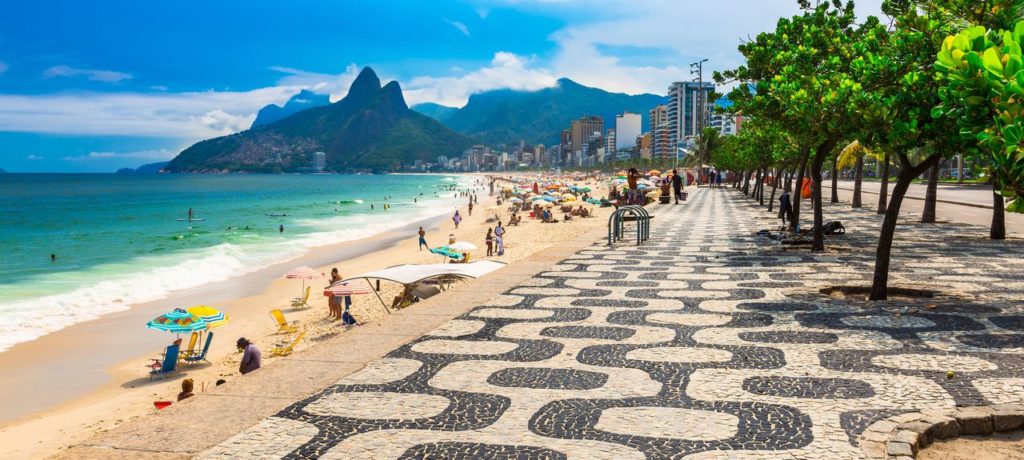
The beach at Ipanema is without a doubt one of the best in Rio de Janeiro and an absolute must-see for anyone visiting the city. Famous for its soft white sands and stunning views of the Two Brothers mountains, Ipanema has long been associated with elegance, sophistication, and a vibrant social scene. Its promenade is lined with stylish cafés, bars, and boutiques, attracting both locals and visitors who come to see and be seen. Beyond its natural beauty, Ipanema holds a special place in global culture thanks to the timeless bossa nova classic “The Girl from Ipanema” by Antônio Carlos Jobim and Vinicius de Moraes.
3. Leblon
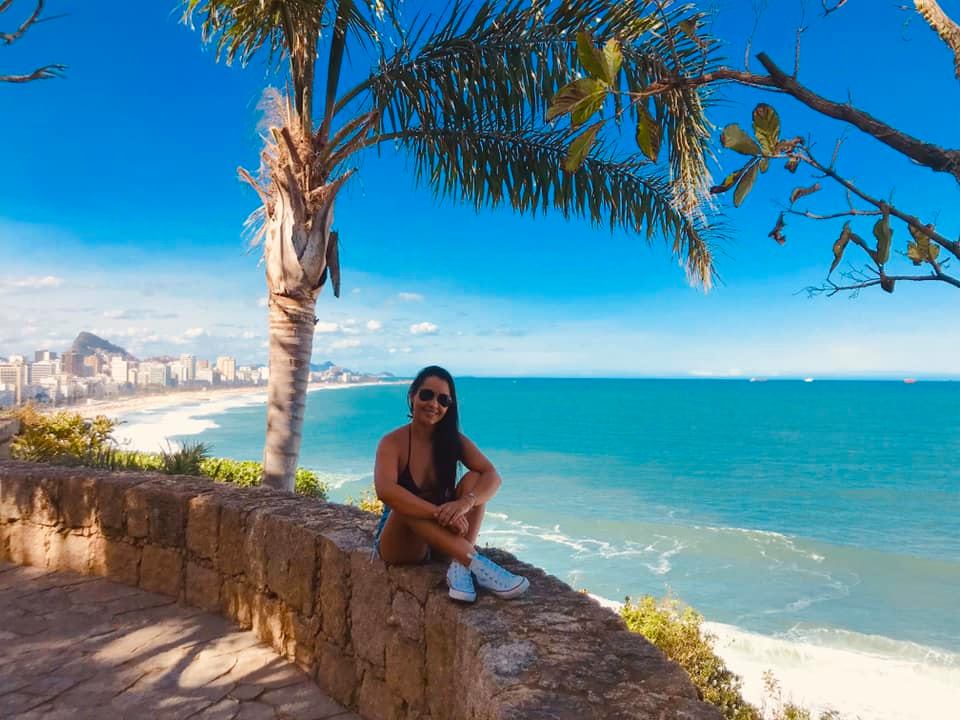
Leblon is one of Rio de Janeiro’s most exclusive hotspots and also among the wealthiest neighborhoods in Brazil. Its beach, stretching for 1.3 kilometers, combines natural beauty with an elegant, laid-back atmosphere. Compared to the bustling sands of Ipanema and Copacabana, Leblon is more peaceful and less crowded, making it the perfect choice for those who prefer a quieter escape without losing the charm of Rio’s coastal lifestyle.
4. Arpoador
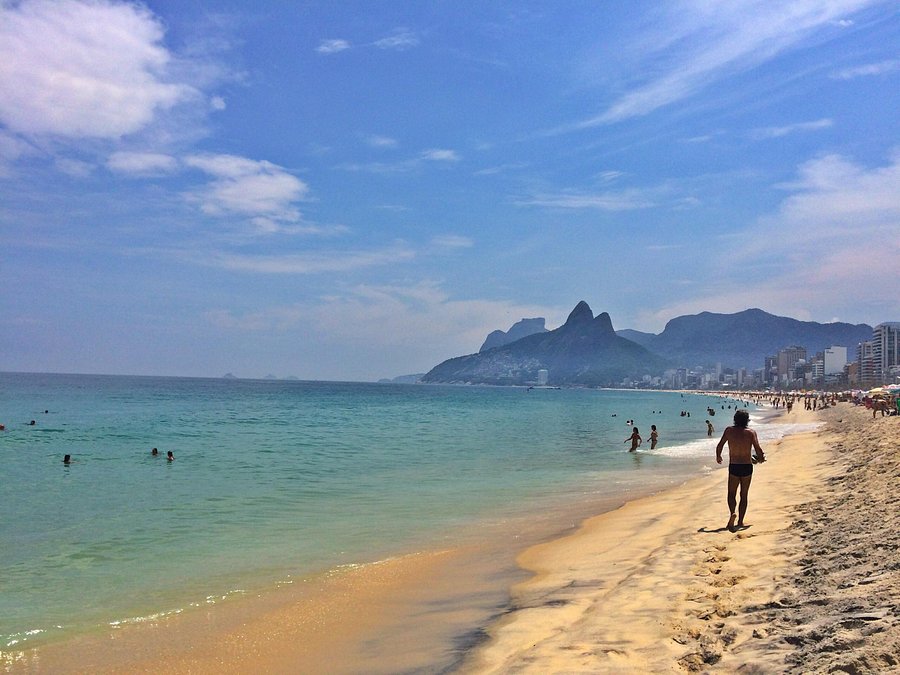
Arpoador is a beautiful stretch of sand nestled between Ipanema and the fort of Copacabana, and it has become one of Rio’s most beloved seaside spots. Known for its excellent surf conditions, the beach attracts surfers from around the world looking to ride its consistent waves. Yet Arpoador is just as famous for its dramatic sunsets: each evening, crowds gather to climb the namesake rock formation that juts out into the ocean, offering breathtaking panoramic views of the coastline.
5. Sao Conrado
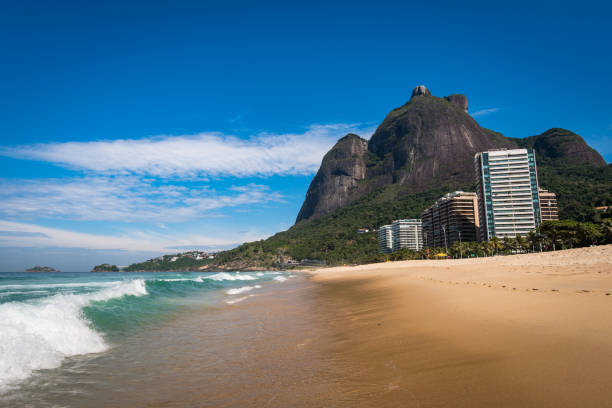
São Conrado is one of Rio’s most distinctive neighborhoods, known for its mix of natural beauty and upscale lifestyle. The beach here is especially famous as the landing point for hang gliders, offering both locals and visitors the thrill of soaring over the city’s mountains before touching down on the sand. Beyond the beach, São Conrado is home to the stylish Fashion Mall, featuring over 150 national and international designer stores, as well as a golf course that adds to its exclusive appeal.
6. Joatinga
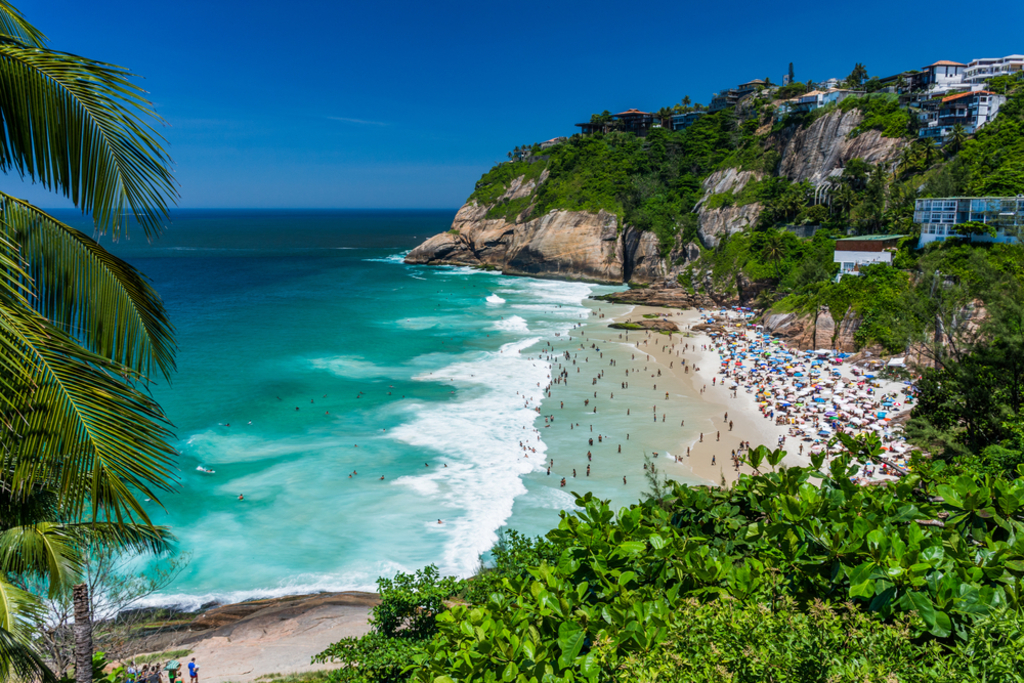
Joatinga is a hidden gem tucked between São Conrado and Barra da Tijuca, best reached by taxi or private transport. Though often associated with an exclusive atmosphere and frequented by Rio’s wealthier families, this small beach is one of the city’s most enchanting escapes. Despite its modest size, Joatinga leaves a lasting impression with its dazzlingly blue waters, soft sands, and the lush Atlantic forest that frames its shoreline. The little bay is especially inviting for swimming, as the waters here are considered among the cleanest in Rio.
7. Barra da Tijuca
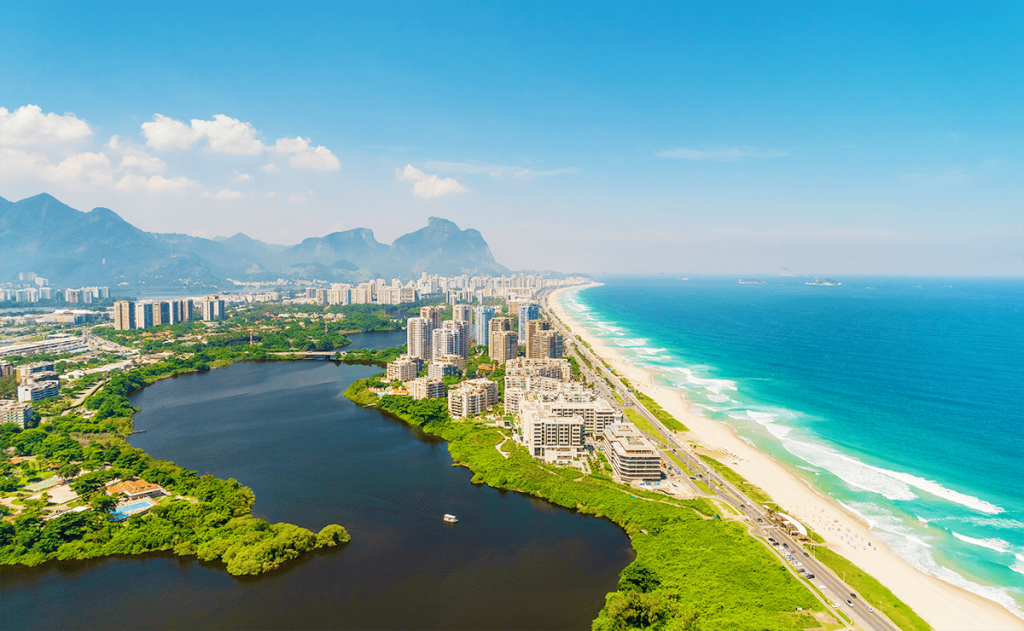
Barra da Tijuca boasts the longest beach in Rio, stretching for an impressive 18 kilometers along the city’s western coastline. Beginning at Morro do Joá and extending all the way to the neighborhood of Recreio dos Bandeirantes at Pontal de Sernambetiba. Known for its clear green waters and unique wave formations, Barra attracts surfers, swimmers, and sunseekers alike. With so much space, it offers a more relaxed atmosphere compared to Rio’s central beaches, while also serving as a hotspot for outdoor sports, beachfront dining, and a lively local scene.
8. Recreio dos Bandeirantes
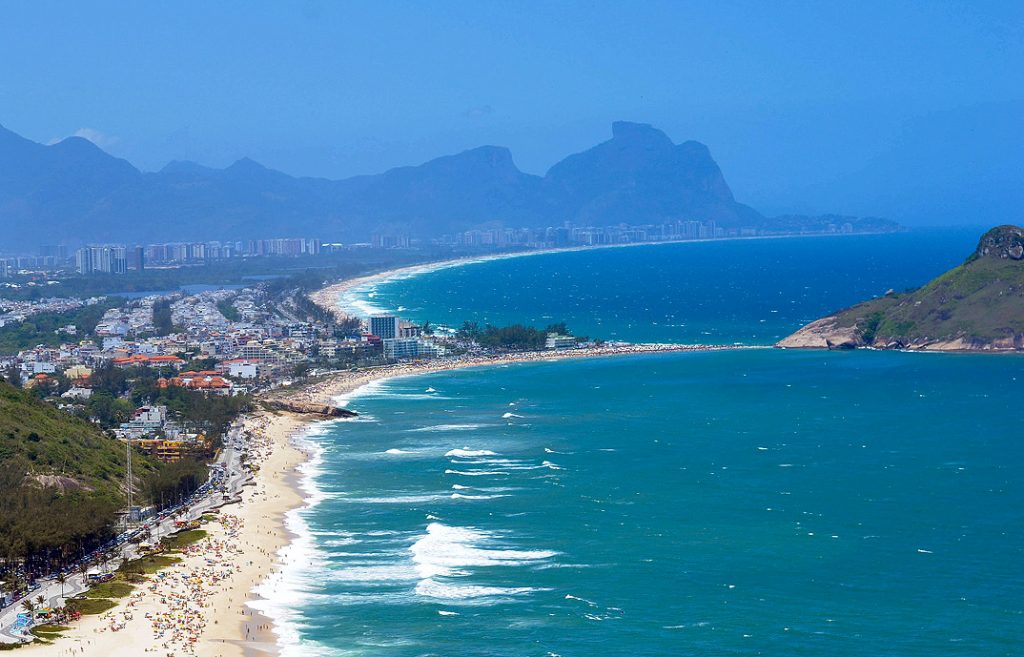
Recreio Beach is one of Rio de Janeiro’s most popular destinations for surfers, windsurfers, bodyboarders, kite-surfers, and fishing enthusiasts. Though not as long as neighboring Barra da Tijuca, Recreio has a unique charm that makes it stand out. Just a 30-minute drive from the South Zone, it offers an inviting mix of accessibility and tranquility. The beach is known for its clean sands, consistent waves, and a calmer atmosphere compared to Rio’s busier coastal hotspots.
9. Praia Vermelha
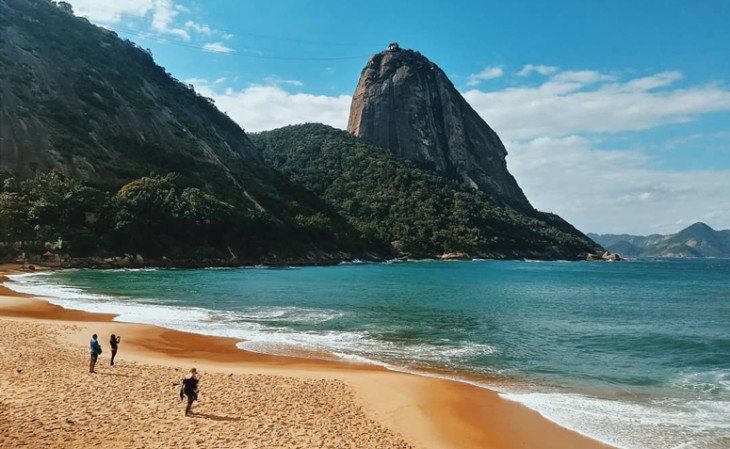
Although Praia Vermelha is one of Rio de Janeiro’s smallest beaches, it remains highly popular thanks to its exotic and picturesque setting. Nestled at the foot of the iconic Morros do Pão de Açúcar e da Urca (Sugarloaf Mountain), this secluded stretch of sand feels like a hidden paradise within the city. The beach is reached via a scenic footpath of red sand and rocks, which sets the tone for its unique beauty. The sand itself has a subtle pinkish glow, most striking in the late afternoon when the sun casts warm colors across the bay.
10. Grumari
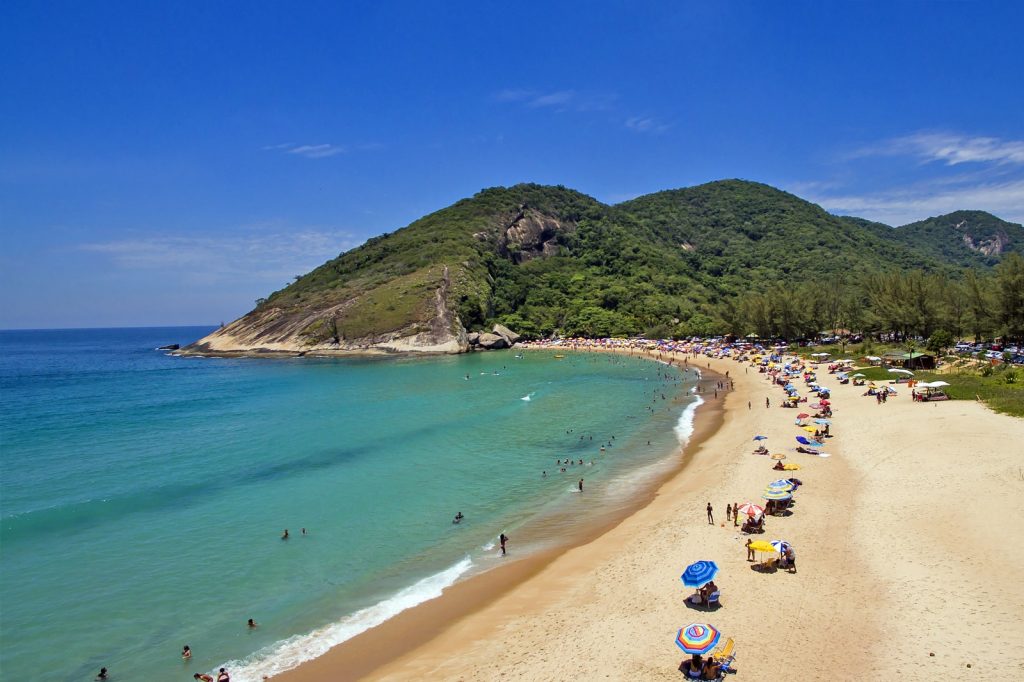
Neighboring Prainha and sharing the same exotic, secluded atmosphere, Grumari Beach is one of Rio de Janeiro’s most scenic natural escapes. Surrounded by lush vegetation and protected landscapes, the beach feels far removed from the hustle of the city, offering a peaceful retreat where nature takes center stage. Its wide stretch of golden sand and deep blue waters create the perfect setting for relaxation, long walks, and quiet swimming.
Heading to Copenhagen? Check out our partners
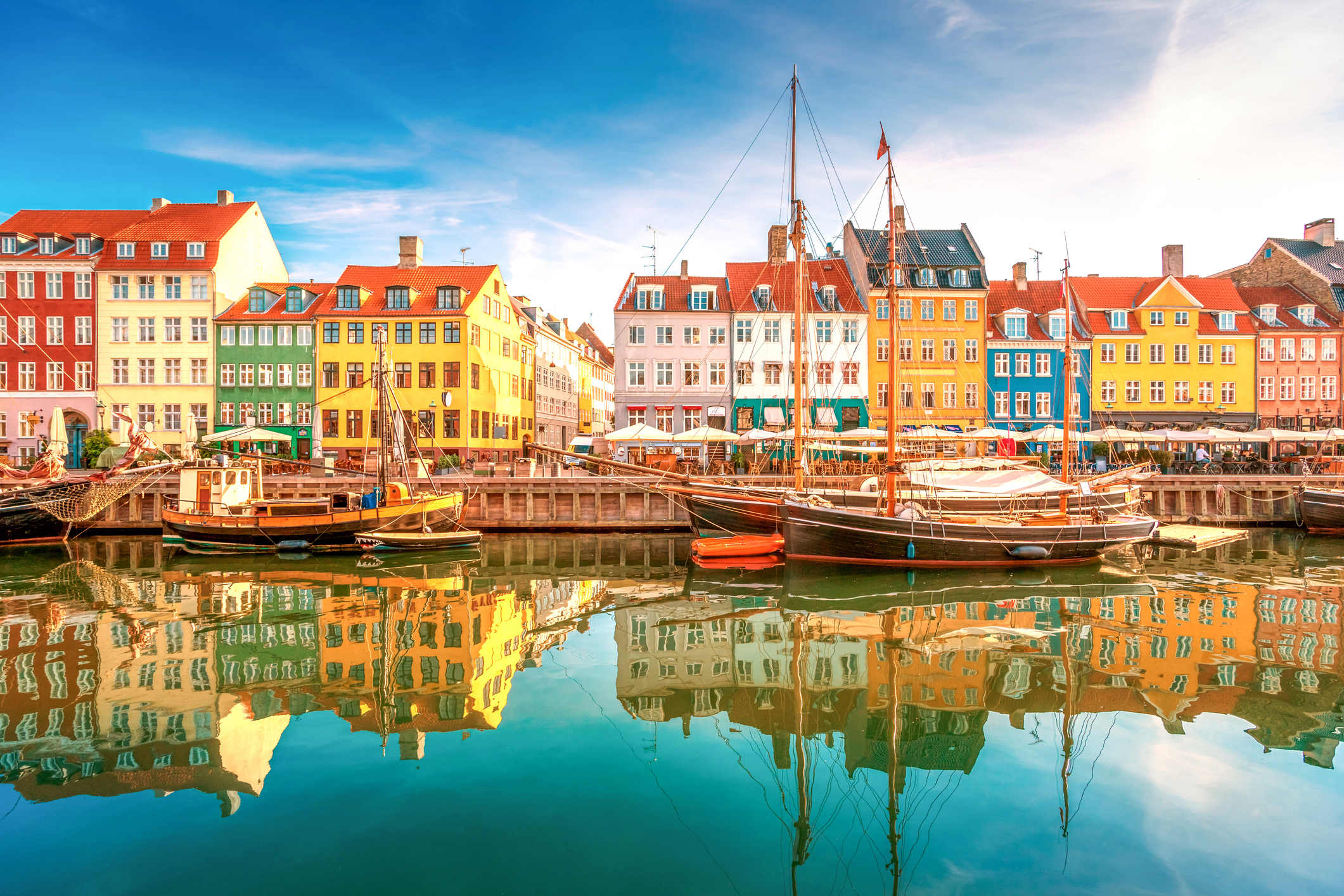
✅ Why choose Copenhagen Walking Tour
- Private, personalized tours — The company offers private walking tours tailored around each group’s interests and pace. This means guests can explore the city deeply, linger where they want, and skip spots that don’t interest them.
- Local, multilingual guides + flexibility — Tours are guided by local multilingual guides (English, Portuguese, Spanish), which makes it accessible for international visitors.
🎯 Best for these kinds of travellers
Anyone appreciating flexibility: customise the route, timing, and pace to their liking.
Visitors with limited time (e.g. cruise port stopover, short stay) who want to see a lot without wasting time.
People wanting a mix of major landmarks and local hidden gems — architecture lovers, history buffs, first-time visitors.
WhatsApp: +45 2980-1109

You must be logged in to post a comment.